Bone – Muscle – Longevity
Bone, muscle, and mobility are linked. Strength, balance, nutrition, recovery, fracture prevention, and medical care all affect how well we stay active and independent.
This site focuses on skeletal health, muscle and strength, movement, fall prevention, fracture risk, testing, nutrition, and treatment decisions.

Bone, muscle, and mobility work together.
The public site is focused on bone strength, muscle, movement, balance, fracture prevention, DXA and FRAX, nutrition, and medical decisions that affect staying active and independent over time.
Start here
Bone, muscle, mobility, and fracture prevention
From the Blog
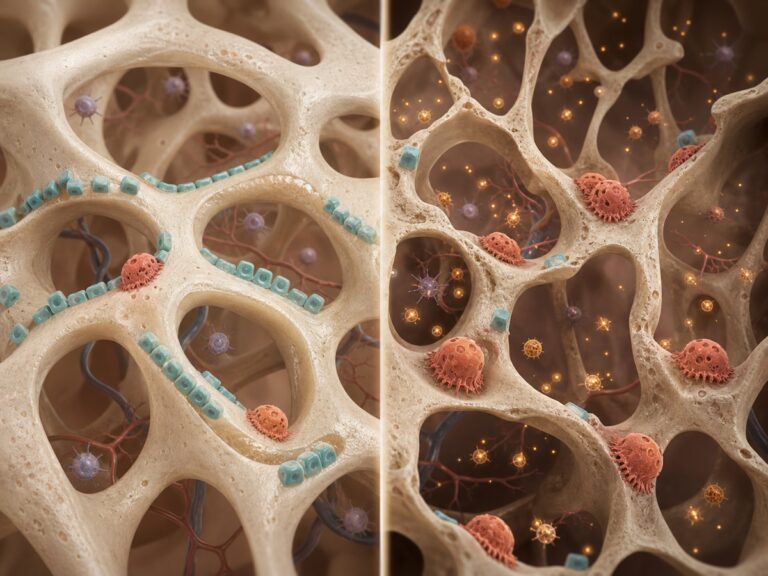
Bone Biology Basics: Why Your Skeleton Is AliveBone is living tissue, not just a static frame. Start here for the cells and remodeling process behind skeletal health.Why I built this site
I’m Lee Reichel, M.D., an orthopedic surgeon in Austin, Texas. In caring for patients with injuries and fractures, I have seen how closely bone, muscle, movement, and confidence are tied to independence and quality of life.
I created this site to study published research and translate it into clear explanations for patients, families, and anyone interested in bone health, muscle, mobility, and independence.
Educational Note
This site is educational and does not replace care from your clinician.